We Almost Caught Fire - A Warning to Replace your Shore Power Plug with a SmartPlug

Updated: Feb 12
Note: I/we are not sponsored by any companies mentioned in this article. We cruise full time on our test bed, SV Confianza, and we enjoy sharing our tests and opinions to give back to the community.
Well, it happened. I almost burned down the boat. How? With the same terrible shore power plug that most all of us are using.
With all of the electrical upgrades on Connie, I had decided years ago that I should replace my standard, 1930s-era Twist Lock design Shore Power plug with a SmartPlug. In fact, I bought one three years ago. It lived a very nice and pampered life sitting atop my pile of projects-to-do on a shelf.
And then, like many others before me, it happened.

Why Are These Shore Plugs So Terrible?
The current shore plug standard is based on a Twist Lock design patented by Hubbell, in 1938. NEMA (not to be confused with NMEA, mind you).
This design is seriously flawed. Firstly, the receptacle side has very little contact area, even when it is locked properly. The blade prongs in your plug look beefy enough, until you learn that they only connect to a small surface on contact springs inside the female receptacle.
If that wasn’t bad enough, the “lock” consists of a small dimple that fits into the holes in your shore power plug. If the lock isn’t completely engaged, or the plug is deformed in any way, that dimple actually pushes the already too small contact area away from the plug on one side.
If the contact spring is otherwise damaged or bent, you could be running 30 amps through a dimple.

A Very Good Solution has Already Been on the Market for Years
The SmartPlug has been out since 2009, and it’s a much better design. The contact area is much larger, the contact springs are much beefier to prevent bending/breaking, and it’s really impossible to connect it so that there is high resistance.
Use Your Existing Cord
Buying a SmartPlug with the cord is expensive and will be a deterrent for a lot of folks. Copper shore power cords are already expensive enough, and you probably already have one. Luckily, SmartPlug offers a combo kit that includes just the plug as well as the receptacle. Re-use your existing cord and save some dollars.
Don’t Put it Off. You’ll be Done Before Lunch.
If you’re comfortable with basic electrical, this is quick and easy job. Wrapping up breakfast to successful installation took about two hours.
Smartly, SmartPlug uses the same screw pattern for their receptacle as my existing Marinco traditional shore power receptacle. Assuming your boatbuilder was nice to you with a bit of extra slack in your cable, installing the receptacle was quite an easy job.
It helps to have tools that make an electrical job go quickly and smoothly. If you need help in that area, please check out this reference article for my recommended and budget friendly stripping and crimping tools.
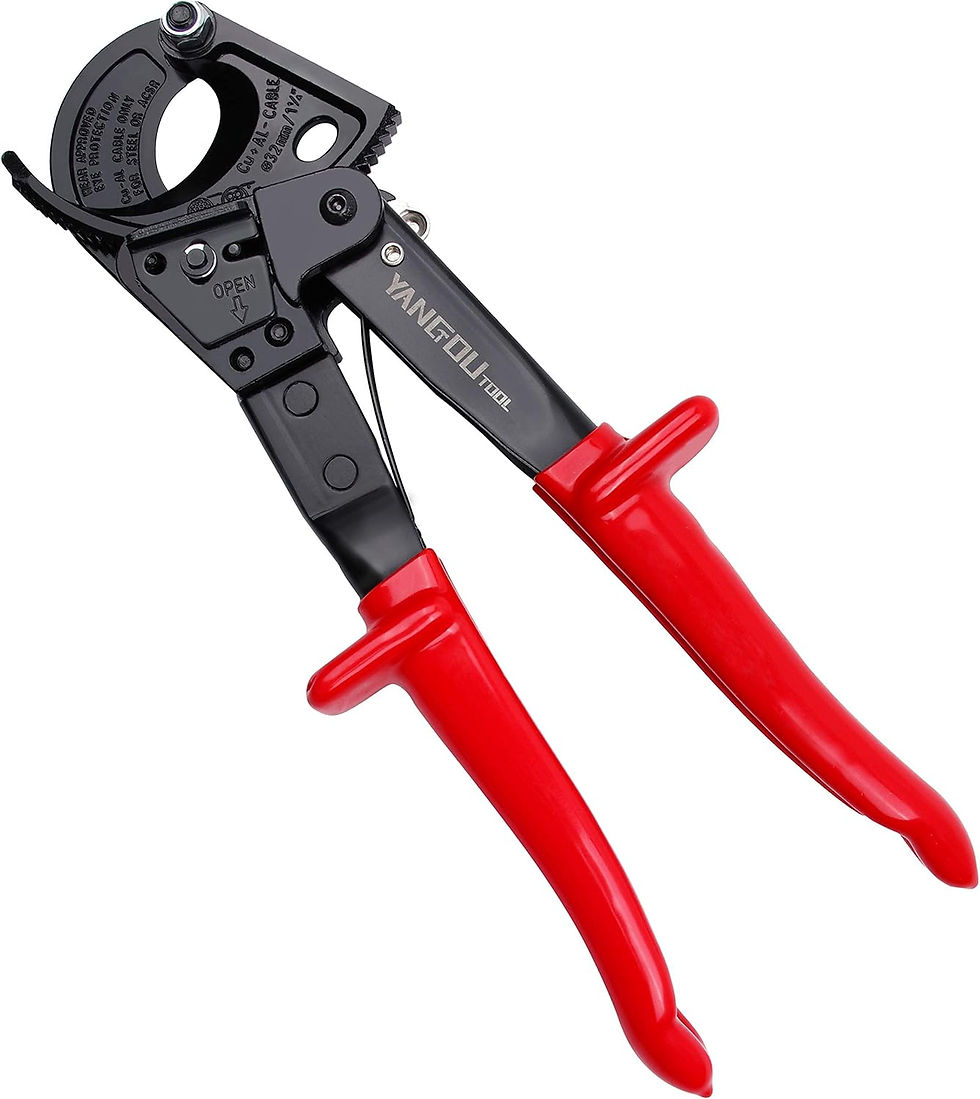
I’d also recommend picking up a ratcheting wire cutter for the beefy size of the shore power cable. It cuts more evenly and from both sides, making a clean cut in seconds. I have a cheap one that has lasted me many years (link).
SmartPlug has very easy to follow installation videos on YouTube. As experienced as I am with marine electrical, I still watch the videos all the way through for the manufacturer recommendations, and I recommend that you do the same.
It is important to pay attention to the measurements closely. For example, stripping too much or too little of the wire jacket will not allow for proper strain relief.
Disclaimer: As always, take my advice at your own risk and consult an ABYC electrician.
What About the OTHER End of the Shore Power Cable?
You’re still relying on the same old NEMA plug on the dock side. It’s really a shame that the ABYC allows this to continue to be a standard. Until ABYC mandates a change, marinas will not switch, and this is still a risk.
At least the heat will build away from your boat and can hopefully be caught in time. If it’s on your boat side, you’re already dealing with some kind of loss.
Side Note—Don’t Trust ChatGPT AI for Anything Marine Related
I usually sanity check what I’m writing with AI these days. However, AI is often so confidently wrong when it talks about marine products. Here is a great example:
Quote from ChatGPT:
"ABYC E-11 requires that shore-power inlets, connectors, and cordsets:
• Be rated for the system voltage and current
• Be polarized and grounding-type
• Be locking or otherwise secured against accidental disconnection
• Be listed / recognized (UL, CSA, ETL, etc.)
For a 30A / 125V single-phase system, the only connector that meets all of those requirements simultaneously in the North American standards ecosystem is:
NEMA L5-30"
Well, thank you ChatGPT, I guess there’s no article to write then! The SmartPlug has been out since 2009.
This sort of thing happens all the time. In a much larger project to move Connie from 12 to 24v, I’ve found that ChatGPT is often hilariously, confidently, and sometimes dangerously wrong. Make sure you are verifying any advice that it gives you with multiple sources, and especially with manufacturer’s recommendations.
Side Note 2—The SmartPlug Pigtail is not a Smart Product
SmartPlug sells a pigtail to adapt your SmartPlug receptacle to a shore power cord:

The whole point is to get this dangerous connector off your boat. Moving it 1 foot away from your receptacle is not helpful.
Wrapping Up
The twist-lock standard shore power plug is an old and dangerous standard. Replacing it is quick and easy, and it’s a relatively small time and money investment to remove such a significant risk. If you’ve made it this far, please treat this as a call to action to protect your boat!


Comments